Chokar has been part of the Indian cattle diet for generations. Learn how a multigrain blend adds fibre and energy, improves digestion and makes saani more nutritious.
Key Takeaways
- Chokar adds digestible fibre and energy and improves the taste of saani.
- A multigrain blend gives a wider spread of nutrients than a single bran.
- Use chokar with a compound feed – it supports, but does not replace, a balanced concentrate.
In this article
Walk into almost any cattle shed in eastern Uttar Pradesh and you will see a farmer preparing saani – chopped fodder mixed with water and a few handfuls of chokar. Chokar (bran) is the outer layer of grains, and it has been valued for generations because animals love its taste and it is easy on the stomach.
What is multigrain chokar?
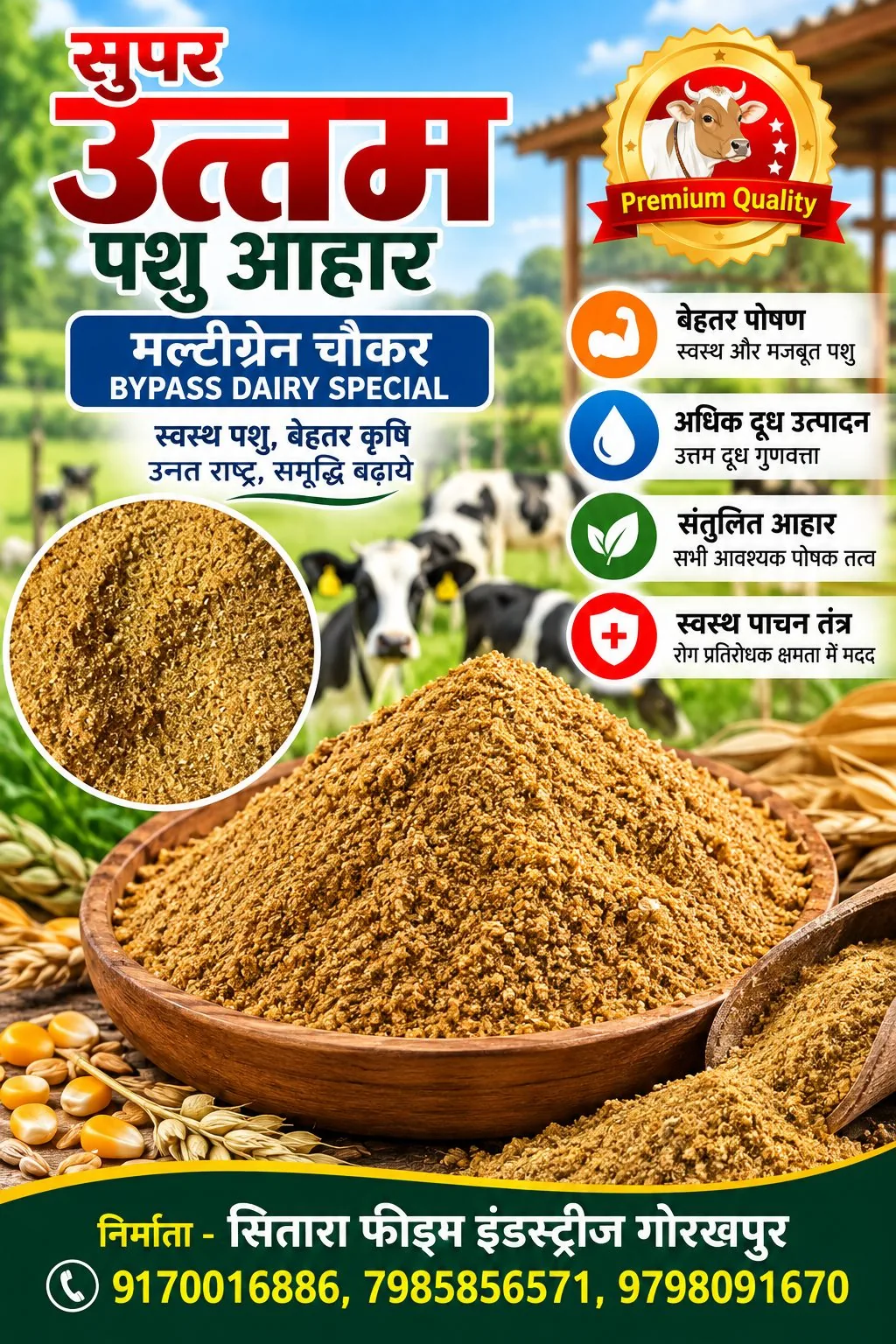
Regular chokar usually comes from a single grain, most often wheat. Multigrain Chokar is a blend of brans and grain by-products from more than one cereal. Each grain brings a slightly different mix of fibre, energy, protein and minerals, so a blend gives your animals a more balanced spread of nutrients in every bowl.
Benefits for your animals
- Better digestion – the fibre keeps the rumen working well and helps prevent loose dung.
- Natural energy – supports body condition and daily work for both milking and dry animals.
- Tastier saani – animals eat dry fodder and bhusa more readily when chokar is mixed in.
- Easy to mix – the fine texture blends evenly with water, fodder and other feeds.
- Good value – a simple way to stretch your fodder and keep the ration balanced.
Chokar and compound feed: what each one does
| Multigrain Chokar | Compound feed (Super Feed / Pellets) | |
|---|---|---|
| Main role | Fibre, energy, taste | Complete, balanced nutrition |
| Protein | Moderate | Higher and balanced for milk |
| Minerals & vitamins | Natural amounts only | Added and balanced |
| Best used | In saani, mixed with fodder | Fed by weight, linked to milk yield |
In short, chokar is an excellent supporting feed, but on its own it cannot meet the needs of a milking animal. For the best results, give it along with a balanced compound feed such as Super Feed.
How to feed Multigrain Chokar
- Mix chokar with chopped green or dry fodder and a little water to make saani.
- Add your compound feed separately, measured according to the animal’s milk yield.
- Prepare saani fresh for each feed – do not leave wet saani lying for hours, especially in summer.
- Make any change in the diet gradually over 7 – 10 days.
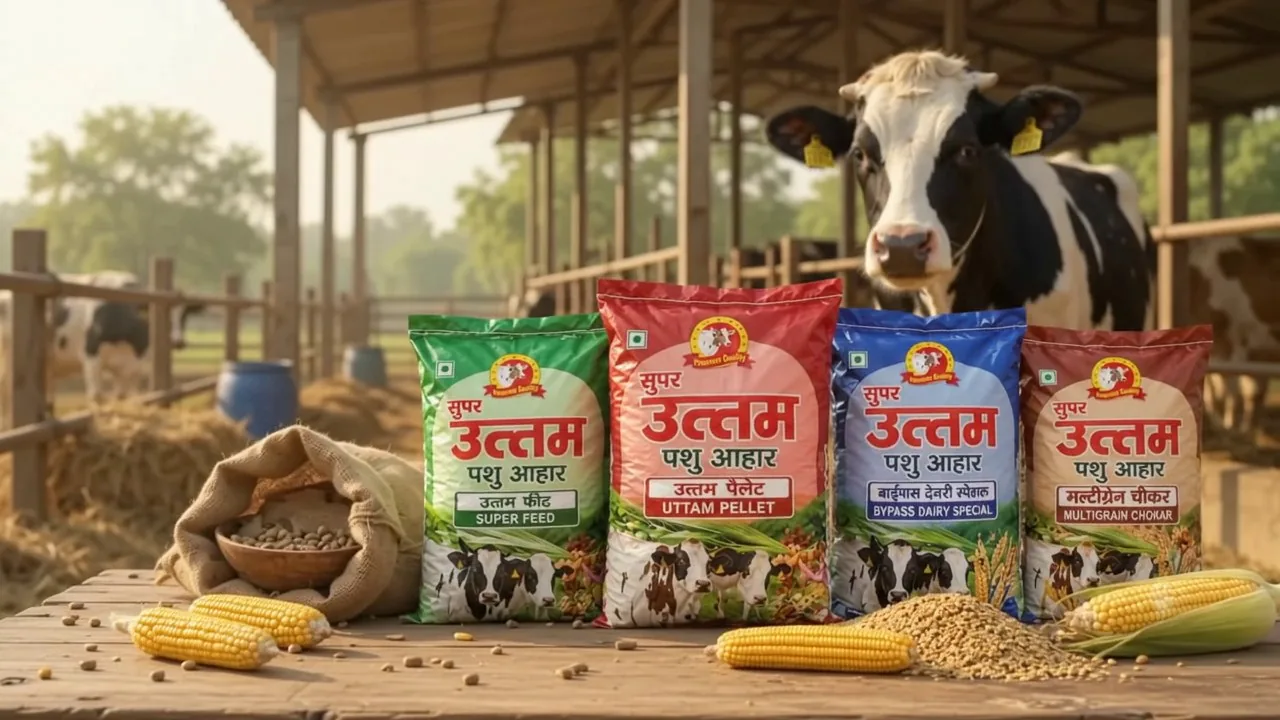
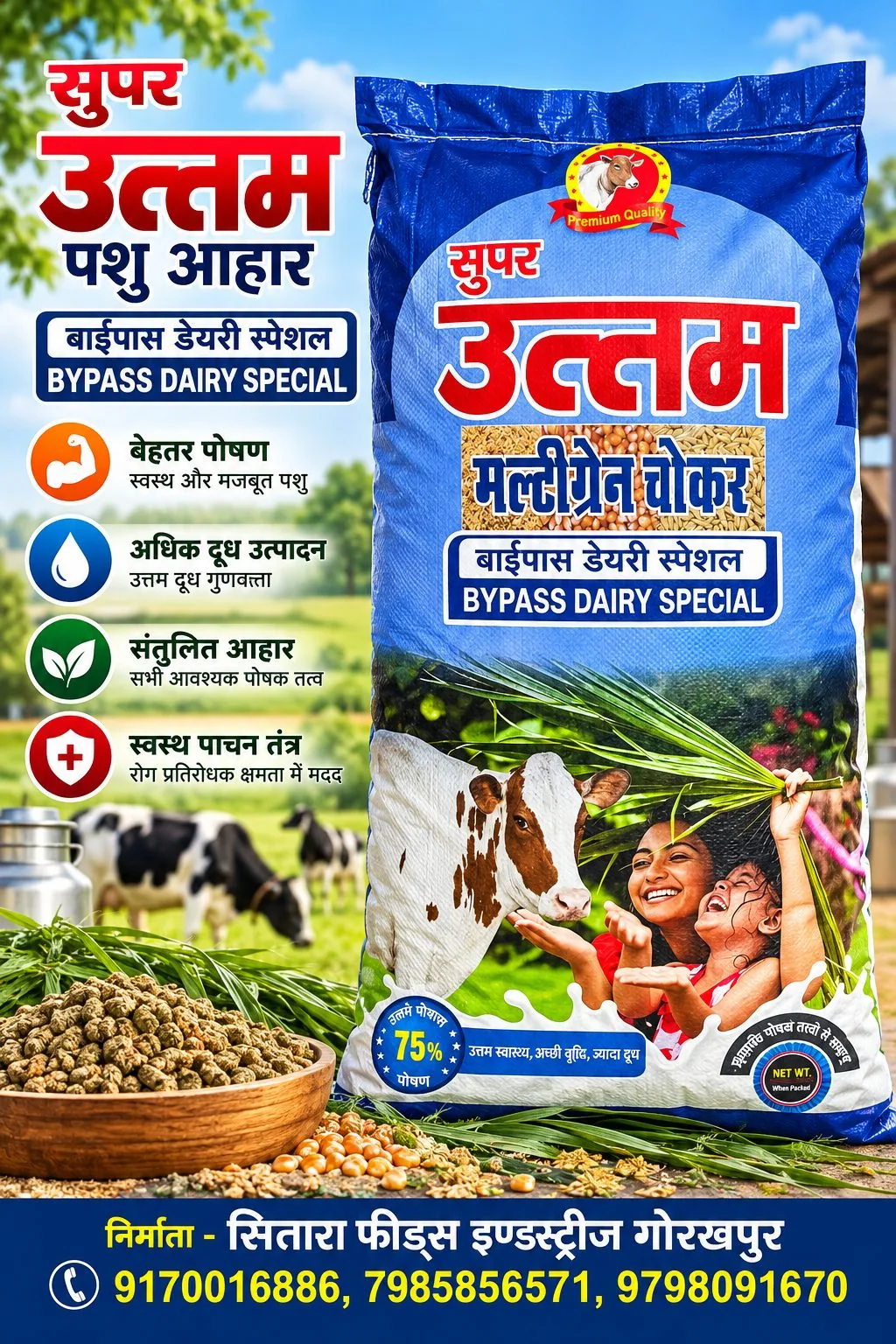 Recommended productMultigrain ChokarA natural blend of grains for balanced nutrition.View Product
 Multigrain Chokar is available in 40 kg bags from our dealers, or directly from us for bulk orders. Send us an enquiry to know the nearest dealer.