
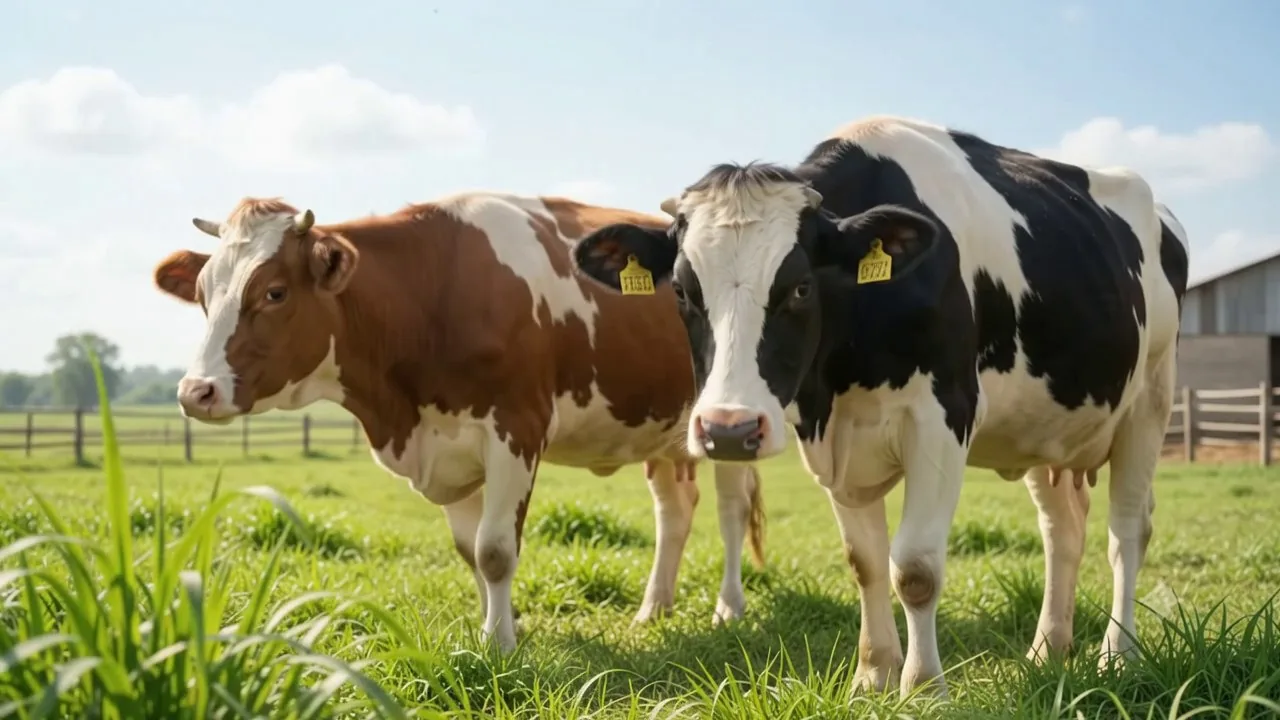
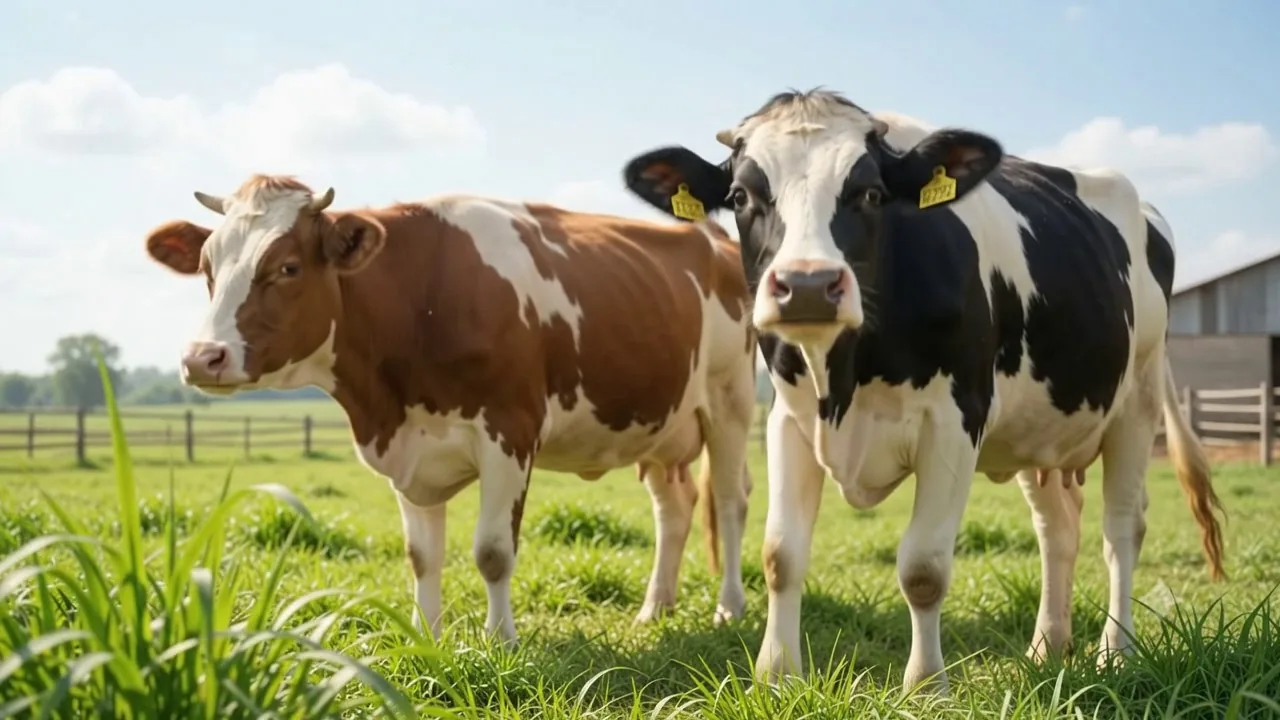
Healthy animals give more milk and need fewer treatments. Seven practical habits – from water and deworming to vaccination and daily checks – that keep your herd strong.
Key Takeaways
- Balanced feed, clean water and mineral mixture are the foundation of good health.
- Follow a regular deworming and vaccination schedule with your vet.
- Spend two minutes a day watching each animal – early signs save money.
In this article
A sick animal costs you twice – once in lost milk and again in treatment. Most common problems in dairy animals can be prevented with simple, regular care. Here are seven habits followed by the most successful farmers we work with.
1. Feed a balanced diet every day
Give green fodder, dry fodder and a good concentrate feed every day – not only when the animal is giving milk. Dry and pregnant animals need good nutrition too. Add mineral mixture daily as advised by your vet; mineral shortage is a hidden cause of poor fertility and weak calves.
2. Clean water, always
An adult cow can drink 40 – 60 litres a day, and much more when milking or in summer. Keep troughs clean and filled. Dirty or limited water reduces both feed intake and milk.
3. Deworm on schedule
Worms quietly steal nutrition from your animals. Calves should be dewormed regularly in their first months; adult animals usually need deworming a few times a year. Ask your vet for the right schedule and medicine for your area.
4. Vaccinate on time
| Disease | Usual timing* |
|---|---|
| Foot and Mouth Disease (FMD) | Every 6 months |
| Haemorrhagic Septicaemia (HS / Galghotu) | Once a year, before the monsoon |
| Black Quarter (BQ / Lungadia) | Once a year, before the monsoon |
| Lumpy Skin Disease | As advised by your vet |
*Schedules vary by region and by government vaccination drives. Always follow the advice of your local veterinary hospital.
5. Keep the shed clean and dry
Remove dung daily, keep the floor dry and allow fresh air in. A clean shed means fewer flies, fewer hoof problems and less mastitis.
6. Watch for warning signs
- Not eating or chewing the cud
- A sudden fall in milk
- Fever, a dry nose or dull eyes
- Loose dung or no dung
- Limping, swelling or a hard, hot udder
7. Keep simple records
Note down dates of calving, heat, insemination, vaccination and deworming in a notebook or on your phone. Records help you plan and help your vet give better advice.
Prevention is always cheaper than cure – and a healthy animal pays you back every single day.
– Sitara Dairy Desk