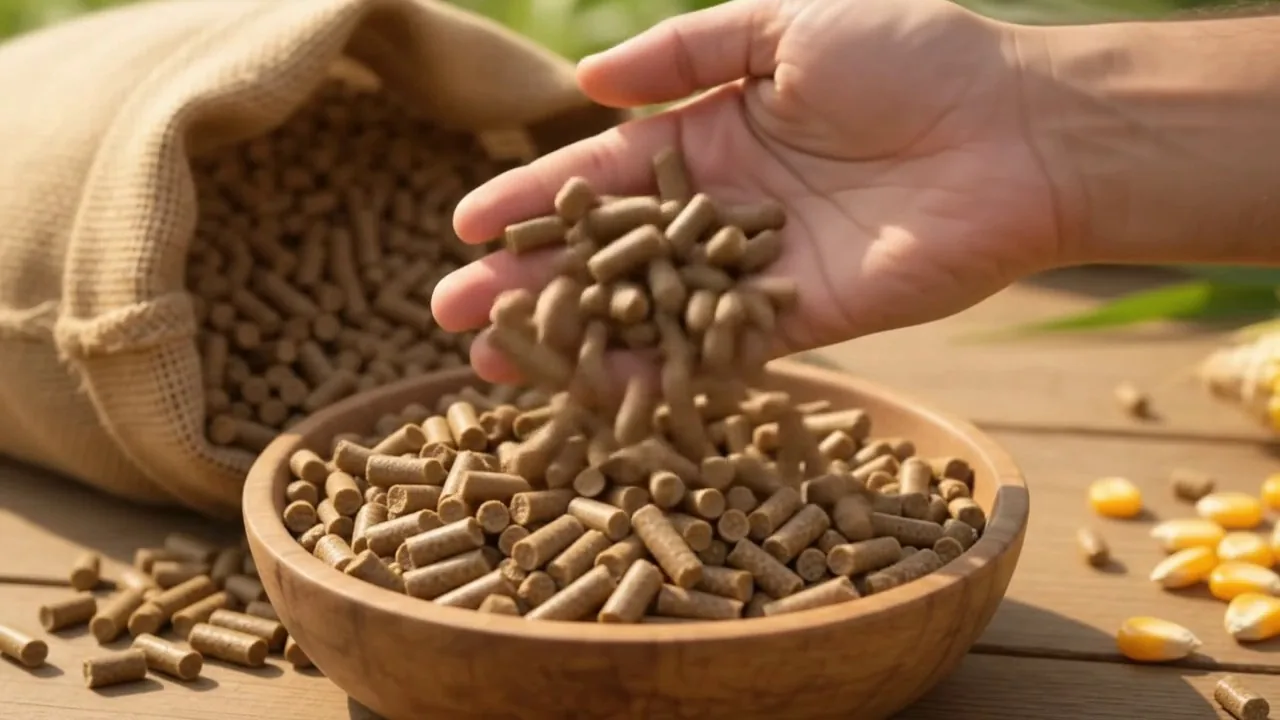
Bypass protein escapes digestion in the rumen and reaches the intestine, where it is used for milk. Find out how it works and which animals benefit the most.
Key Takeaways
- Bypass protein is protected from breakdown in the rumen and digested in the intestine.
- It is most useful for high-yielding animals and animals in early lactation.
- Results show within 2 – 3 weeks of regular, correct feeding.
In this article
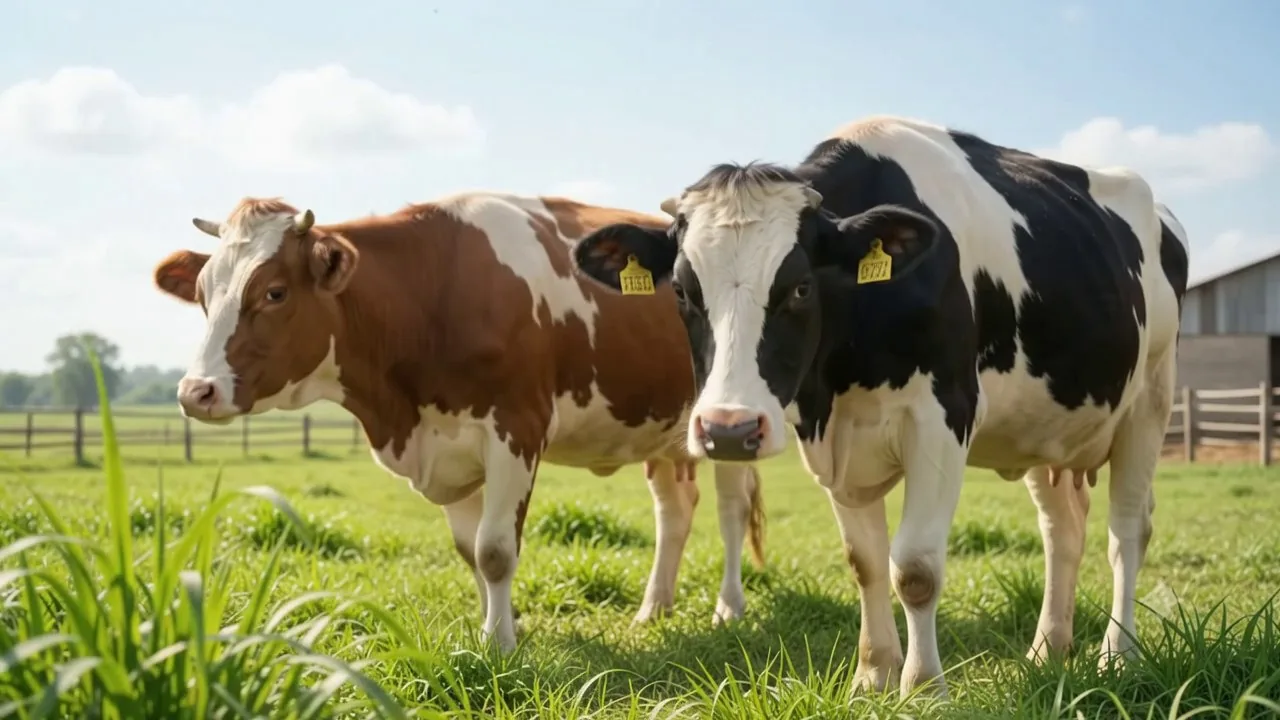
A cow’s stomach has four parts, and the largest – the rumen – is full of microbes that break down feed. These microbes are excellent at digesting fibre, but they also break down a large share of the protein in the feed before the animal can use it directly. For a high-yielding animal, that is a problem.
What is bypass protein?
In bypass feed, part of the protein is protected so that it passes (“bypasses”) the rumen without being broken down. It is then digested in the small intestine, where the amino acids are absorbed and sent to the udder for milk production and to the body for growth and repair.
Why high-yielding animals need it
Microbial protein from the rumen is enough for an animal giving a few litres of milk. But as milk yield goes up, the animal needs more protein than the rumen microbes can supply. This gap is largest in early lactation, when milk is at its peak but the animal’s appetite has not caught up yet.
Key benefits
- More milk – more usable protein reaches the udder.
- Better fat and SNF – a better-fed animal gives richer milk.
- Holds body condition – the animal does not lose as much weight after calving.
- Supports fertility – animals in good condition come into heat on time.
- Less waste – less protein is lost as ammonia, so you get more value from every kg of feed.
Regular feed vs bypass feed
| Regular compound feed | Bypass feed | |
|---|---|---|
| Protein digestion | Mostly broken down in the rumen | A larger share digested in the intestine |
| Best for | Maintenance and average yield | High yielders and early lactation |
| Effect on milk | Steady yield | Higher yield and better fat |
Who should use bypass feed?
- Cows giving more than about 8 – 10 litres a day
- Buffaloes in the first months after calving
- Animals that lose a lot of weight after calving
How to feed Bypass Dairy Special
- Switch gradually over 7 – 10 days by mixing it with your current feed.
- Feed by milk yield – see our daily feeding chart.
- Give it with green fodder, bhusa, mineral mixture and plenty of clean water.
- Feed regularly for 2 – 3 weeks before judging the results.
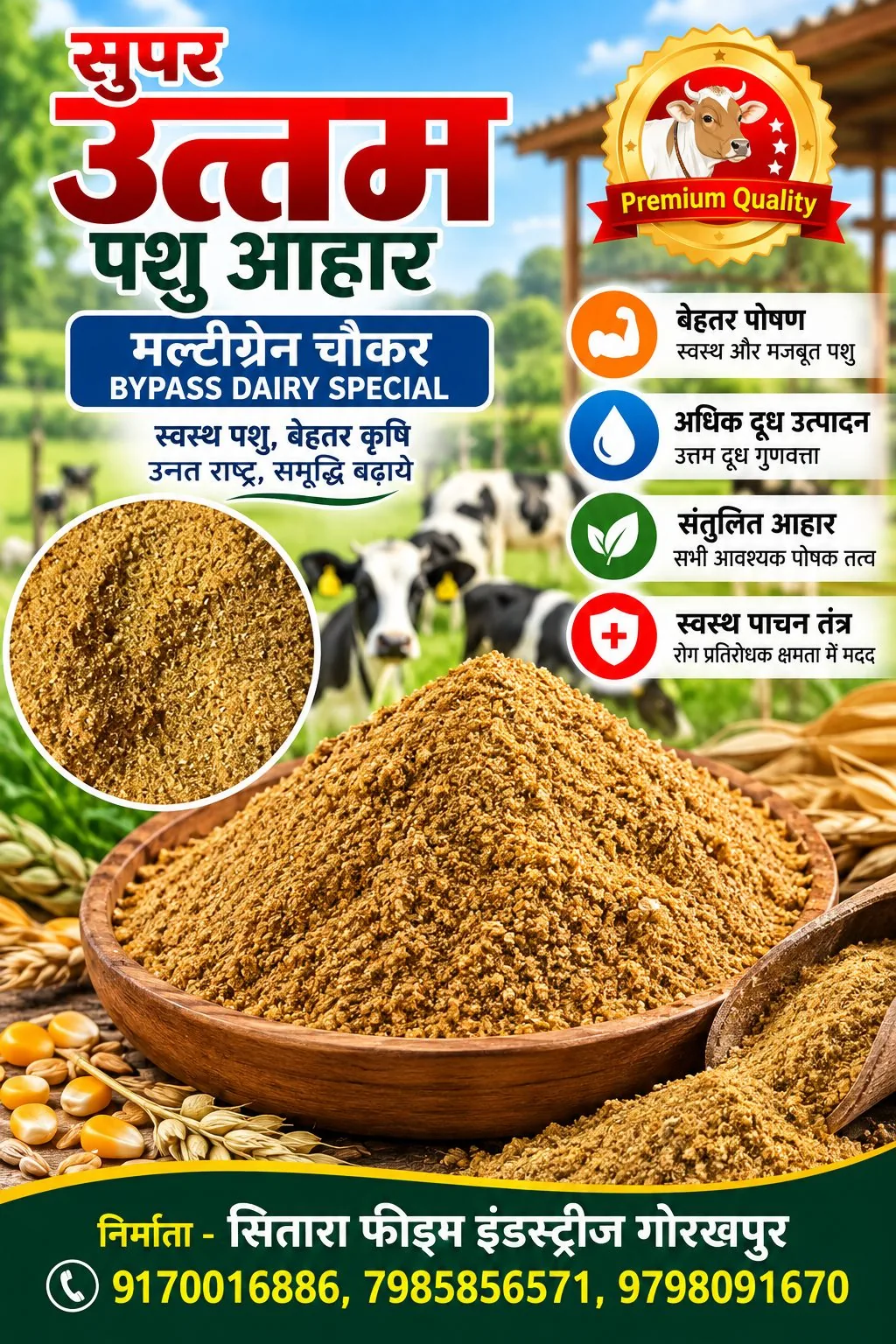
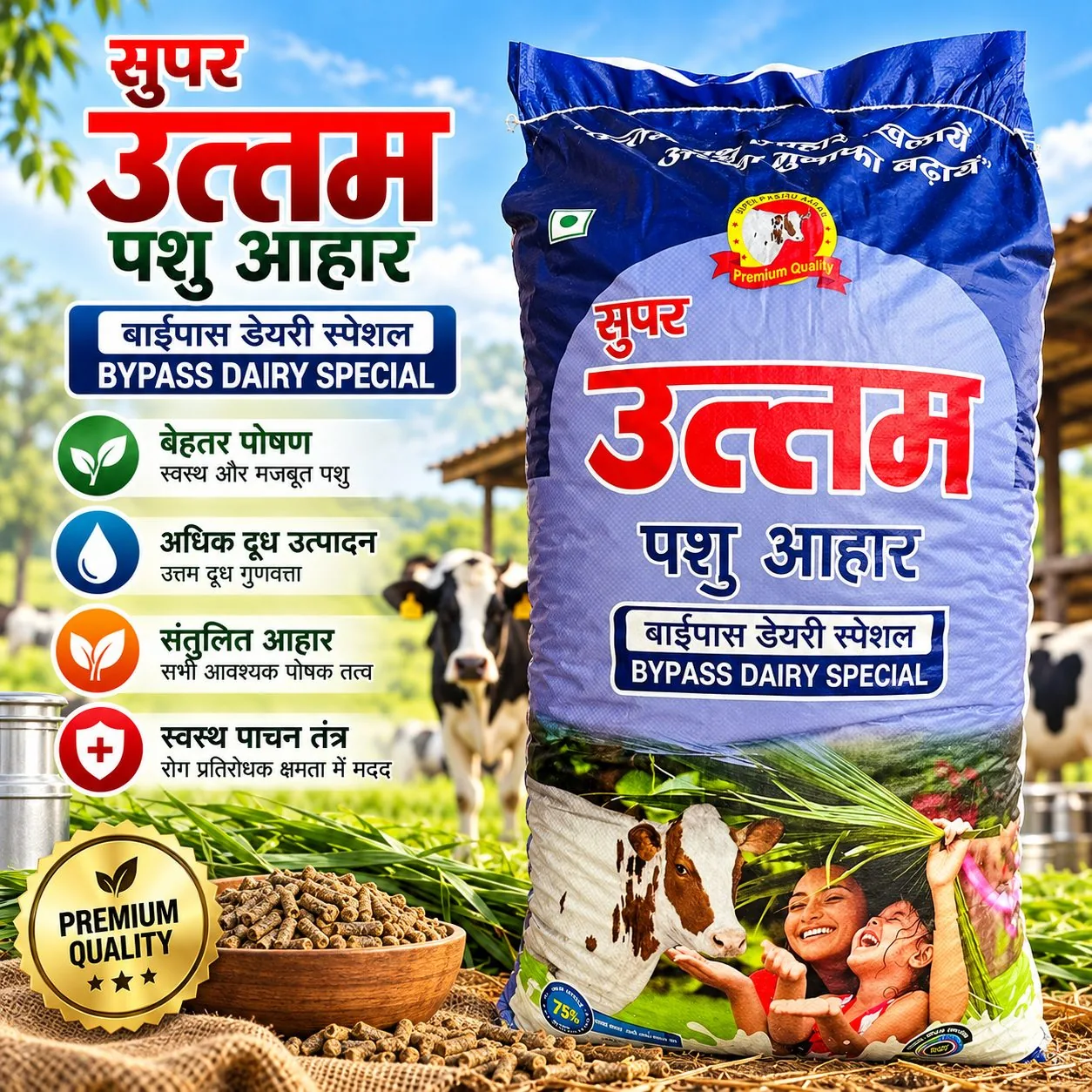 Recommended productBypass Dairy SpecialProtein-rich bypass feed for high-yielding animals.View Product